What Does RSVP Mean, and How Do You Track It for a Pakistani Wedding?
RSVP stands for "répondez s'il vous plaît", French for "please reply". On a wedding invitation it means the family is asking you to confirm whether you are coming, ideally by a certain date, so they can plan numbers with the caterer and the venue. In Urdu, the closest everyday phrase is "براہِ کرم شرکت کی تصدیق کریں". At Pakistani weddings RSVPs have always been hard to collect, but they become much more manageable when a guest can reply with one tap instead of a phone call they may never make.
Why RSVPs are hard at Pakistani weddings
This isn't bad manners. It is a mismatch between how Pakistani weddings work and how RSVPs were designed to work.
- Households are invited, not individuals. One invitation often covers a whole family, and who actually attends can change until the day itself.
- "InshaAllah" is an honest answer. Committing firmly weeks ahead can feel presumptuous, so "InshaAllah, we'll try" is sincere, not evasive.
- Guests bring guests. It is common for a family to bring a visiting relative or a friend staying with them.
- Several functions, one question. A guest invited to the Mehndi, Baraat and Walima may come to all three or just one, and a single yes or no doesn't capture that.
- No habit of replying early. Many guests don't think to reply until they are asked directly.
None of this makes tracking pointless. It means the method has to be low-effort, and the numbers have to allow for uncertainty.
Why the headcount still matters
The caterer charges per head, the seating is arranged by table, and the venue has a capacity. The goal isn't a perfect number; it is a good-enough estimate, gathered with as little friction as possible, so the family isn't catering for 800 when 500 come, or the other way round.
Estimate each function separately
Because different functions draw different crowds, one number for "the wedding" is close to useless for planning. What helps the caterer and venue is a count for each function:
- The Mehndi is often the most variable: some families keep it small and close, others make it the biggest night of all.
- The Baraat and Nikah usually draw the widest attendance from the invited list, because many guests treat the wedding day as the one they must not miss.
- The Walima list is often the longest, because it includes colleagues and family friends who were not invited to the smaller functions.
Whatever your confirmed numbers, discuss a buffer with your caterer, who knows how guest lists like yours usually turn out. Counting per function, rather than per wedding, is the single most useful habit: it turns one vague number into three or four workable ones.
Following up without being pushy
- Ask once, clearly, with a date. "Please let us know by 1st November so we can finalise numbers" works better than repeated vague nudges.
- Make replying effortless. A tap inside an invitation is far easier than composing a message or calling back.
- Follow up close family personally. For people whose attendance really affects the plan, a direct message or call closer to the date is reasonable and expected.
- Treat a soft answer as useful. "Most likely, InshaAllah" still helps you plan more than silence. Note it, check once more nearer the date, and move on.
- Set the deadline early enough. Asking for final numbers a day before the caterer needs them leaves no time to adjust.
How a digital RSVP helps
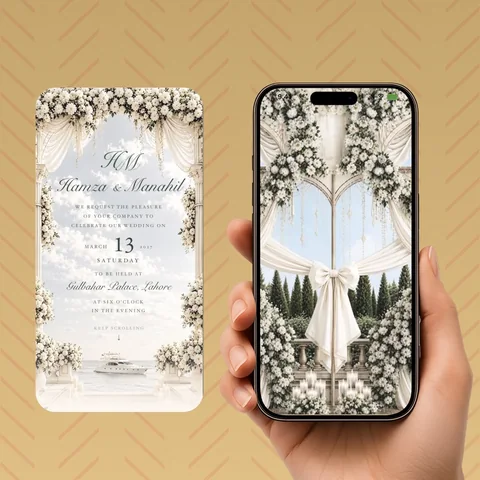
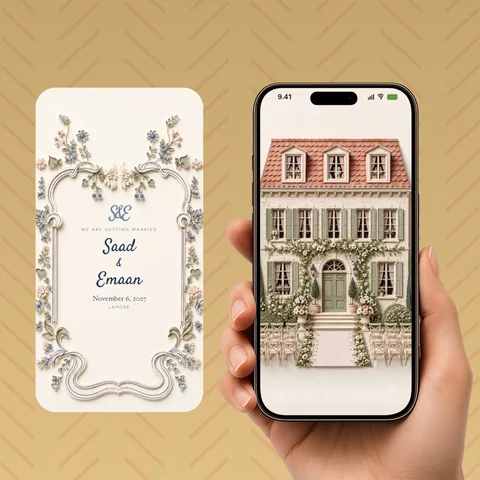
A digital invitation removes most of the friction at once. The guest replies from inside the invitation with a tap, choosing the functions they are coming to and how many people are with them, and the family sees the replies in one private, live sheet, counted by function, instead of piecing it together from memory and WhatsApp threads. It won't change the culture, and guests will still say InshaAllah and change plans, but it removes the effort that stops people replying at all.
In short
RSVP tracking for a Pakistani wedding will never produce a clean final headcount weeks in advance, and forcing it to creates more stress than it saves. The realistic goal is an easy way for guests to reply for each function, a sensible buffer agreed with your caterer, and one place to check the real picture.
Every Niru invitation includes an RSVP form with a private live response sheet for the couple. Browse the designs, and for the wording that goes with it, see the RSVP lines in our wording guide.